
Energy drinks, stimulant products linked to cardiac arrest, heart attack in young adults
Research Highlights:
- In a review of more than 28,000 adverse-event reports to the FDA over eight years, 2017-2025, caffeinated energy drinks and stimulant supplements were linked to serious heart conditions far more often than other products.
- Products containing caffeine or other stimulants were associated with higher reporting of cardiac arrest and heart attack, particularly for adults between the ages of 18 and 34, a group not usually considered at high risk for cardiovascular events.
- More studies are needed to understand the relationship between caffeinated products and cardiovascular conditions, as well as systematic safety monitoring of these products, researchers said.
- Note: The study featured in this news release is a research abstract. Abstracts presented at American Heart Association’s scientific meetings are not peer-reviewed, and the findings are considered preliminary until published as a full manuscript in a peer-reviewed scientific journal.
Embargoed until 4 a.m. CT/5 a.m. ET, Monday, Nov. 2, 2026
November 2, 2026 (NEWMEDIAWIRE) - DALLAS - Caffeinated energy drinks and stimulant supplements appeared disproportionately more often in FDA reports of serious cardiovascular events, including cardiac arrest and heart attacks, especially among adults ages 18 to 34, according to new, independent, preliminary research to be presented at the American Heart Association’s Scientific Sessions 2026. The meeting, Nov. 6-9, in Chicago, is a premier global exchange of the latest scientific advancements, research and evidence-based clinical practice updates in cardiovascular science.
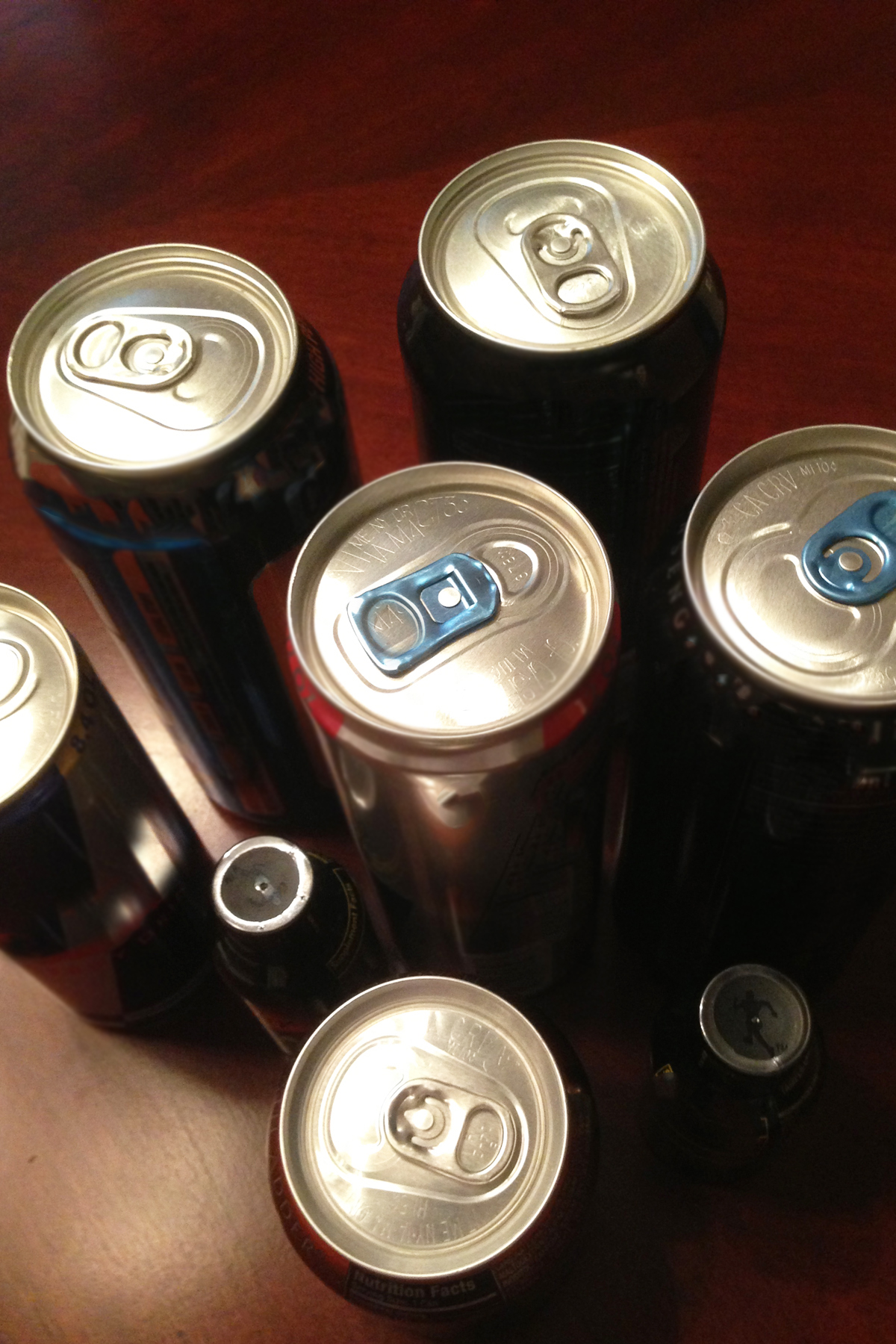
Sales of caffeinated energy drinks have more than doubled over the past decade, reaching over $20 billion in 2024. While research on energy drinks and other stimulant-containing supplements is limited, available evidence indicates that high doses of caffeine are associated with cardiovascular harm. Healthcare professionals have also described cases of arrhythmias (irregular heart rhythms) or sudden cardiac death in people who had consumed these products, many of them young adults with no known heart disease risks.
According to a 2026 American Heart Association Scientific Statement on caffeine and cardiovascular disease, consuming up to 400 mg of caffeine per day (the equivalent of up to 5, 8-ounce cups of regular black caffeinated coffee) is generally safe for most adults. Compared with brewed coffee, some energy drinks contain as much as 3 times more caffeine per fluid ounce, and some pre-workout supplements contain more than 12 times as much caffeine per fluid ounce. Since the U.S. Federal Drug Administration (FDA) regulates energy drinks and stimulant supplements as foods or dietary supplements rather than as medications, these products do not go through the same premarket safety testing required for medications.
“These products are marketed as everyday pick-me-ups and sold next to soda and bottled water, so most people assume they carry no real risk,” said study author Sai Samayamanthula, a fourth-year medical student at the University of Virginia School of Medicine in Charlottesville, Virginia. “For many healthy people, if these products are consumed occasionally, the risk is probably small. However, individuals who consume energy drinks or other stimulant-containing supplements regularly can quickly exceed the recommended daily limit for caffeine, so it’s important for people to know that there may be a risk of cardiovascular harm with these products.”
Researchers analyzed data from a government safety database to compare reports of adverse reactions related to products containing caffeine and other stimulants compared to FDA-regulated foods and dietary supplements such as soft drinks, meal replacement shakes, protein bars, smoothies and vitamins. The data included reports from people ages 13 or older between 2017 and 2025.
What are the key findings of the study’s analysis?
- Cardiac arrest was reported about 11 times more often in connection with caffeine- and stimulant-containing products vs. products without these ingredients.
- Reports involving energy drinks and supplements were about 4.5 times more likely to include heart attacks and four times more likely to include ventricular arrhythmias (abnormal rhythm in the heart’s lower pumping chambers) or heart palpitations.
- Similar patterns existed between consumption of caffeinated energy drinks and stimulant supplements and reports of other heart conditions, including elevated heart rate (nearly 3 times more often), chest pain (2.71 times more often) and fainting (about 2 times more often).
- About 45% of reports linking caffeine- and stimulant-containing products to cardiovascular events involved adults ages 18 to 34.
- Similar patterns were observed in reports involving both men and women.
“Our findings support the case for more systematic safety monitoring of caffeine- and stimulant-containing products. In addition, healthcare professionals should remember to ask their younger patients who have palpitations, chest pain or fainting spells if they recently or regularly consume these products,” Samayamanthula said.
Researchers don’t fully understand why the association between caffeine and stimulant products with heart events was so frequent among young adults. The pattern of reports among young adults may reflect how often they consume caffeine- and stimulant-containing products; when or how people tend to consume them (for example, consuming them before intense exercise or mixing them with alcohol or drugs); and/or if they may have an undiagnosed heart condition.
“This study raises concerns that products with very high amounts of caffeine may be harmful to the cardiovascular system,” said Gregory M. Marcus, M.D., M.A.S., FAHA, chair of the 2026 American Heart Association scientific statement on caffeine and cardiovascular disease. “Although there are biological reasons why that connection could be possible, the study does not prove that caffeine products cause these events, because other factors may have influenced the results found in this analysis. More research is needed to understand whether these stimulant products are truly responsible for the reported heart-related events.” Marcus, who was not involved in this study, is also a professor of medicine at the University of California, San Francisco School of Medicine and the associate chief of the Cardiology for Research program at the University of California, San Francisco Health.
What are the details, background, design and limitations of the study?
- Researchers analyzed 28,345 reports made to an FDA safety database regarding possible adverse events from 2017 to 2025. Of those, 854 reports mentioned caffeine or stimulant-containing energy drinks or dietary supplements. Researchers compared these with 27,491 reports about products without caffeine or other stimulants.
- Reports categorized as being related to caffeine and stimulant products included those with these types of ingredients: caffeine, methylxanthines (theobromine, guarana, yerba mate, green tea/coffee extracts) and sympathomimetics (synephrine, yohimbine, ephedra, DMAA, higenamine).
- Researchers grouped products by ingredient not by brand, so the findings point to types of products rather than any single brand or product.
- The study authors emphasized that the analysis’ design only identified associations between caffeinated products and cardiac events voluntarily self-reported to the FDA; the results cannot prove that these products directly caused any heart conditions or events.
- In addition, since the reports of adverse events associated with caffeinated products were submitted by consumers/the general public, doctors and manufacturers who voluntarily told the FDA about these events, it is unknown how many people consumed these products without experiencing any cardiac events, or how many people experienced cardiac events and did not report it.
Co-authors, disclosures and funding sources are listed in the abstract.
Statements and conclusions of studies that are presented at the American Heart Association’s scientific meetings are solely those of the study authors and do not necessarily reflect the Association’s policy or position. The Association makes no representation or guarantee as to their accuracy or reliability. Abstracts presented at the Association’s scientific meetings are not peer-reviewed, rather, they are curated by independent review panels and are considered based on the potential to add to the diversity of scientific issues and views discussed at the meeting. The findings are considered preliminary until published as a full manuscript in a peer-reviewed scientific journal.
The Association receives more than 85% of its revenue from sources other than corporations. These sources include contributions from individuals, foundations and estates, as well as investment earnings and revenue from the sale of our educational materials. Corporations (including pharmaceutical, device manufacturers and other companies) also make donations to the Association. The Association has strict policies to prevent any donations from influencing its science content and policy positions. Overall financial information is available here.
Additional Resources:
- Multimedia, including video interview clips with American Heart Association volunteer expert, Gregory M. Marcus, M.D., M.A.S., FAHA, is available on the right column of the release link
- Link to abstract and the American Heart Association’s Scientific Sessions 2026 Online Program Planner
- American Heart Association Scientific Statement news release: Coffee and heart health: How many cups of caffeinated coffee are safe to drink each day? (July 2026)
- American Heart Association news release: Top Health Experts Release New Drink Recommendations for Kids and Teens’ Overall Health (Jan. 2025)
- American Heart Association news release: Drinking 2 or more cups of coffee daily may double risk of heart death in people with severe hypertension (Dec. 2022)
- American Heart Association news release: Drinking caffeinated coffee has both beneficial and harmful short-term health effects (Nov. 2021)
- American Heart Association Fact Sheet: Caffeine and Cardiovascular Disease
- About Scientific Sessions 2026
- For more news at the American Heart Association’s Scientific Sessions 2026, follow us on X @HeartNews, #ScientificSessions26
###
About the American Heart Association
The American Heart Association is a relentless force for a world of longer, healthier lives. Dedicated to ensuring equitable health in all communities, the organization has been a leading source of health information for more than one hundred years. Supported by more than 35 million volunteers globally, we fund groundbreaking research, advocate for the public’s health, and provide critical resources to save and improve lives affected by cardiovascular disease and stroke. By driving breakthroughs and implementing proven solutions in science, policy, and care, we work tirelessly to advance health and transform lives every day. Connect with us on heart.org, Facebook, X or by calling 1-800-AHA-USA1.
For Media Inquiries and American Heart Association Expert Perspective: 214-706-1173
American Heart Association Communications & Media Relations in Dallas: ahacommunications@heart.org
Amanda Ebert: Amanda.Ebert@heart.org
For Public Inquiries: 1-800-AHA-USA1 (242-8721)
heart.org and stroke.org
