
Wearable devices plus AI analysis may predict high blood pressure crisis up to 3 days early
Research Highlights:
- Using artificial intelligence (AI) to analyze patterns from a portable cuff-based blood pressure monitor and a wearable fitness tracker identified increased risk of dangerously high blood pressure with acute end-organ damage up to three days in advance, also called a hypertensive crisis.
- Abnormal blood pressure patterns during sleep and a sharp rise in blood pressure after waking (an increase of more than 35 mm Hg compared to the nighttime level) were among the strongest predictors of a hypertensive crisis.
- Researchers say their findings suggest early detection may give patients and healthcare professionals more time to act before high blood pressure spikes turn into an emergency.
- Note: The study featured in this news release is a research abstract. Abstracts presented at American Heart Association’s scientific meetings are not peer-reviewed, and the findings are considered preliminary until published as a full manuscript in a peer-reviewed scientific journal.
Embargoed until 4 a.m. CT/5 a.m. ET, Monday, Nov. 2, 2026
This news release contains updated information not available in the abstract.
November 2, 2026 (NEWMEDIAWIRE) - DALLAS - Using artificial intelligence (AI) to analyze patterns in measures from a portable cuff-based blood pressure monitor and health data from a wrist-worn device may help identify when adults with stage 2 high blood pressure (blood pressure ≥140/90 mm Hg) are at increased risk of a dangerously high blood pressure episode (>180/120 mm Hg with acute end-organ damage), known as a hypertensive crisis, up to three days before it occurs, according to new, independent, preliminary research to be presented at the American Heart Association’s Scientific Sessions 2026. The meeting, Nov. 6-9, in Chicago, is a premier global exchange of the latest scientific advancements, research and evidence-based clinical practice updates in cardiovascular science.
“Everyone’s blood pressure changes throughout the day and night, and a single reading only captures one moment in time,” said Waleed Razzaq Chaudhry, M.D., lead study author and an internal medicine resident at the University of Maryland Capital Region Medical Center in Largo, Maryland. “By continuously tracking blood pressure and identifying patterns, we found that AI analysis of blood pressure may be a valuable addition to help identify early warning signs of dangerously high blood pressure.”
A hypertensive crisis occurs when blood pressure rises quickly and severely, with readings higher than 180/120 mm Hg that accompany acute end-organ damage. Blood pressure in this range can lead to stroke, heart attack, kidney damage, aortic dissection or pulmonary edema (fluid backup in the lungs). Hypertensive crises are a medical emergency and are a leading cause of heart-related emergency department visits. According to the American Heart Association/American College of Cardiology joint 2025 High Blood Pressure Guideline, nearly half of U.S. adults have high blood pressure, and it is the number one modifiable risk factor to reduce the risk of heart attack, stroke and heart failure.
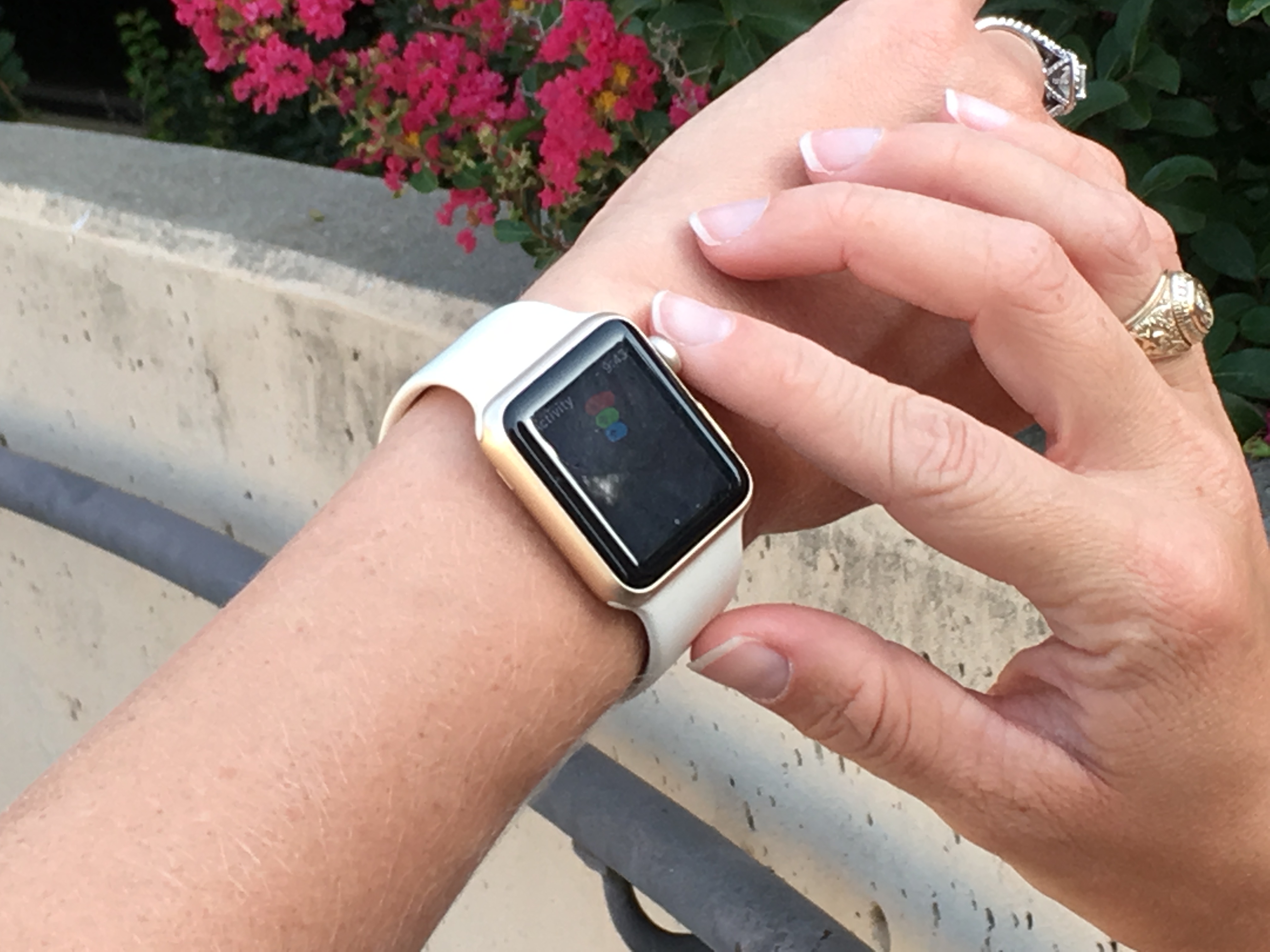
In this study, researchers evaluated whether using AI along with a portable cuff-based blood pressure monitor and wrist-worn fitness tracker could predict a hypertensive crisis before it occurred. The blood pressure monitor collected repeated blood measurements throughout the day and night, including during daily activities and sleep. The AI tool then analyzed wearers’ blood pressure patterns throughout the day and night, as well as cardiovascular signals from the wearable fitness tracker, including heart rate and heart rate variability. An alert was issued if the AI model predicted the wearer was at risk of having a hypertensive crisis. The alert prompted the physician to contact the patient, review their symptoms and adjust their medication if needed.
What are the study’s main findings?
- Over the 12-month study, 312 of the more than 4,000 participants experienced 418 hypertensive crises, representing about 7% of all participants.
- The AI tool was effective at distinguishing patients with higher versus lower risk of a hypertensive crisis up to 72 hours in advance.
- Among participants who had a positive alert, about 32% experienced a hypertensive crisis, while 97.4% of patients who did not have an alert remained crisis-free.
- Participants whose blood pressure did not decrease during sleep, which should normally occur during sleep, had nearly five times the odds of an upcoming hypertensive crisis.
- Participants who experienced a rise in blood pressure of more than 35 mm Hg after waking compared to their nighttime blood pressure had nearly four times the odds of a hypertensive crisis.
- Among patients whose physicians received an alert from the AI tool and whose medications were adjusted within 24 hours, hypertensive crises were about 61% lower and emergency department visits were about 45% lower compared to people who did not receive timely alert-triggered intervention.
“These findings suggest that continuous blood pressure monitoring can help detect these blood pressure changes earlier, which may give patients and healthcare professionals more time to act before it turns into an emergency,” Chaudhry said. “If we are able to recognize an increased risk of a hypertensive crisis days before it occurs, we have an opportunity to provide earlier care to help reduce the risk of the serious complications that can occur with a hypertensive crisis.”
“For decades, hypertension management has relied heavily on blood pressure measurements captured at a single point in time, yet many patients have no warning symptoms before a serious complication develops,” said Maria Delgado-Lelievre, M.D., a distinguished Hypertension Specialist at the University of Miami Leonard M. Miller School of Medicine and a member of the American Heart Association’s National Hispanic Latino Cardiovascular Collaborative leadership team. “As technology continues to evolve, tools that provide greater insight into blood pressure patterns between office visits may help support more personalized care and encourage earlier discussions about treatment, healthy lifestyle changes and medication adherence. Studies like this highlight the growing potential for digital health technologies to complement, not replace, clinical decision-making when caring for people with hypertension.”
Study details, background, design and limitations:
- The study included 4,190 adults ages 40 to 85 with stage 2 hypertension (≥140/90 mm Hg), with an average age of 62.4 years. 46% of participants were women and 54% were men.
- Participants received care at one hospital in Sindh, Pakistan, and were followed from January 2025 to January 2026.
- Participants wore a portable cuff-based blood pressure monitor as well as a wrist-worn device that used light-based sensors to track changes in cardiovascular signals.
- Researchers analyzed 47 characteristics in the data collected by the blood pressure monitors and wearable devices, including blood pressure decreases during sleep, blood pressure increases after waking, blood pressure changes over time and variations in heart rate.
- Researchers used an AI tool to identify combinations of patterns in blood pressure readings associated with an increased likelihood of a hypertensive crisis within the next 72 hours (3 days).
- An important limitation of the study is that all participants were adults living in Pakistan who received care at one hospital. Researchers noted that this study design needs to be tested among more diverse groups of people and in various healthcare settings before it can be widely used.
More research is needed to guide clinical responses to high-risk alerts, including confirming blood pressure, reviewing symptoms and medication adherence, contacting the patient, considering medication adjustment, and determining when urgent or emergency evaluation is needed. A 2025 American Heart Association scientific statement on cuffless devices highlighted that more research and standardized testing are needed before these devices, technologies and analyses are used to guide patient care. The Association recommends an automatic, cuff-style, upper arm (biceps) monitor. Wrist and finger monitors are not recommended because they give less reliable readings. A list of validated blood pressure devices is available at validatebp.org.
Co-authors, disclosures and funding sources are listed in the abstract.
Statements and conclusions of studies that are presented at the American Heart Association’s scientific meetings are solely those of the study authors and do not necessarily reflect the Association’s policy or position. The Association makes no representation or guarantee as to their accuracy or reliability. Abstracts presented at the Association’s scientific meetings are not peer-reviewed, rather, they are curated by independent review panels and are considered based on the potential to add to the diversity of scientific issues and views discussed at the meeting. The findings are considered preliminary until published as a full manuscript in a peer-reviewed scientific journal.
The Association receives more than 85% of its revenue from sources other than corporations. These sources include contributions from individuals, foundations and estates, as well as investment earnings and revenue from the sale of our educational materials. Corporations (including pharmaceutical, device manufacturers and other companies) also make donations to the Association. The Association has strict policies to prevent any donations from influencing its science content and policy positions. Overall financial information is available here.
Additional Resources:
- Multimedia, including video interview clips with American Heart Association volunteer expert, Maria Delgado-Lelievre, M.D., is available on the right column of the release link.
- Spanish news release
- Link to abstract and the American Heart Association’s Scientific Sessions 2026 Online Program Planner
- American Heart Association Scientific Statement news release: Cuffless blood pressure technologies in wearable devices show promise to transform care (Dec. 2025)
- American Heart Association health information: Top 10 Things to Know About the 2025 AHA/ACC High Blood Pressure Guideline
- American Heart Association health information: Health Threats from High Blood Pressure
- American Heart Association health information: Home Blood Pressure Monitoring
- About Scientific Sessions 2026
- For more news at the American Heart Association’s Scientific Sessions 2026, follow us on X @HeartNews, #ScientificSessions26.
###
About the American Heart Association
The American Heart Association is a relentless force for a world of longer, healthier lives. Dedicated to ensuring equitable health in all communities, the organization has been a leading source of health information for more than one hundred years. Supported by more than 35 million volunteers globally, we fund groundbreaking research, advocate for the public’s health, and provide critical resources to save and improve lives affected by cardiovascular disease and stroke. By driving breakthroughs and implementing proven solutions in science, policy, and care, we work tirelessly to advance health and transform lives every day. Connect with us on heart.org, Facebook, X or by calling 1-800-AHA-USA1.
For Media Inquiries and American Heart Association Expert Perspective: 214-706-1173
American Heart Association Communications & Media Relations in Dallas: ahacommunications@heart.org
Amanda Ebert: Amanda.Ebert@heart.org
For Public Inquiries: 1-800-AHA-USA1 (242-8721)
heart.org and stroke.org
